Shrimp Scampi: The Complete Guide to Making It Right at Home
 Khizar Hussain
November 4, 2026
10 min read
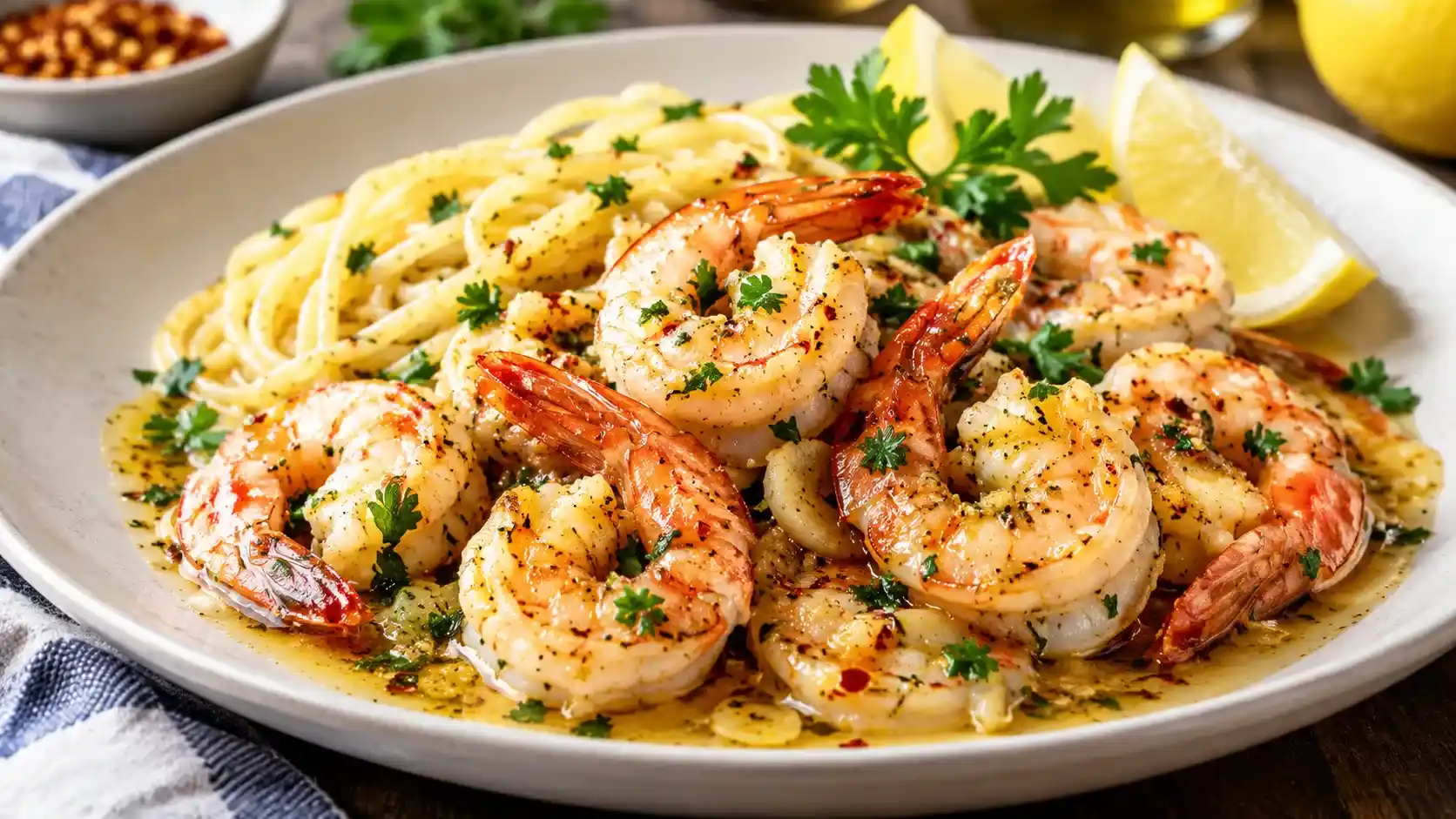
TL;DR: Shrimp scampi is shrimp sautéed in garlic, butter, white wine, and lemon. Dry the shrimp, sear them fast, build the sauce in the same pan, and pull everything off the heat once the shrimp turn opaque. Serve over pasta, rice, or crusty bread.
You know the smell before you see the pan. Garlic hits hot butter, a splash of wine hisses, and suddenly a Tuesday night feels like a restaurant reservation. That’s the pull of this dish, and the best part is how little work it takes.
This guide covers what scampi really is, how to build a silky sauce, and how to keep your shrimp tender instead of rubbery. You’ll also see a head-to-head comparison with two similar favorites, plus the newest trends shaping how people cook it in 2026.
Quick Overview
- Time: about 20 minutes from fridge to table
- Flavor base: garlic, butter, olive oil, dry white wine, lemon, parsley
- Shrimp cook time: roughly 2 to 4 minutes total, depending on size
- Safe minimum temperature: 145°F (62.8°C), per the USDA
- Best served with: linguine, rice, polenta, or crusty bread
- Frozen shrimp: work well if thawed and dried properly
What Is Shrimp Scampi, Really?
Scampi started as the name of a seafood, not a sauce. The word comes from Italian, where scampo refers to a European lobster-type crustacean. According to Merriam-Webster’s entry on scampi, the English word dates back to 1925 and describes large shrimp, often prepared in a garlic-flavored sauce.
The common story is that Italian immigrants in the United States swapped in plentiful local shrimp and kept the name. That’s why “scampi” on an American menu means shrimp in garlic sauce, while in the UK it often refers to langoustine tails, usually breaded and fried.
Definition: Shrimp scampi is a dish of shrimp quickly cooked in garlic, butter or olive oil, white wine, and lemon, typically served with pasta or bread.
Notice what’s missing from that definition: cream, flour, and long cooking times. The sauce is light, bright, and built in minutes. That simplicity is exactly why small mistakes show up so clearly.
Ingredients That Make the Sauce Work
A short ingredient list means every item matters. Here’s what you need for four servings, and why each one earns its place.
- Large shrimp (1 lb / 450 g): a 16 to 20 count per pound gives you plump, juicy bites.
- Garlic (4 to 6 cloves): sliced or minced, and the soul of the dish.
- Butter and olive oil: butter brings richness, while oil keeps the butter from browning too fast.
- Dry white wine (about ½ cup): pinot grigio or sauvignon blanc adds acidity and depth.
- Fresh lemon: juice for brightness, zest for aroma.
- Red pepper flakes, parsley, salt, and pepper: gentle heat, freshness, and seasoning.
Don’t cook with wine you wouldn’t drink. If you’d rather skip alcohol, swap in chicken or vegetable broth plus an extra squeeze of lemon. The sauce will be slightly less complex but still delicious.
How to Pick and Prep the Shrimp
Great scampi starts at the seafood counter. Shrimp are sold by count, so “16/20” means 16 to 20 shrimp per pound. Smaller shrimp overcook in seconds, while larger ones give you a wider margin for error.
Frozen shrimp are a smart choice, since most “fresh” shrimp at the counter were frozen and thawed anyway. Thaw them in a bowl of cold water for 15 to 20 minutes, or overnight in the refrigerator. Never thaw them in warm water.
Then comes the step most people skip: dry them thoroughly with paper towels. Wet shrimp steam instead of sear, which leaves them pale and rubbery. Dry shrimp hit the pan, brown lightly, and keep their snap.
Peel and devein them next. Leaving the tails on looks nice and adds a little flavor, but it also makes eating messier. That’s your call.
How to Cook Shrimp Scampi Step by Step
You’ll need a wide skillet so the shrimp sit in a single layer. Crowding is the fastest way to ruin the texture.
- Season the dry shrimp with salt and pepper.
- Heat 1 tablespoon of olive oil and 1 tablespoon of butter over medium-high heat.
- Sear the shrimp for about 1 to 2 minutes per side until they just turn pink. Move them to a plate.
- Lower the heat to medium and add 2 more tablespoons of butter, the garlic, and red pepper flakes. Cook for 30 to 60 seconds, stirring constantly, until fragrant.
- Pour in the wine and simmer for 2 to 3 minutes until it reduces by about half.
- Add the lemon juice and zest, then return the shrimp to the pan.
- Toss for 30 seconds, finish with parsley, and serve right away.
Building a Silky Sauce
The sauce comes together when the butter, wine, and lemon blend into a light emulsion. If it looks greasy, add a spoonful of pasta water and stir. The starch helps the fat cling to the noodles instead of pooling on the plate.
Watch the garlic closely, too. Garlic that browns turns bitter, and bitterness is hard to hide in a sauce this simple. If it starts to color too fast, pull the pan off the heat for a few seconds.
How to Tell When the Shrimp Are Done
Shrimp curl as they cook. A loose “C” shape means they’re done, while a tight “O” means they’ve gone too far. They should also look opaque and feel firm but springy.
For food safety, the USDA’s safe minimum cooking temperature chart lists 145°F (62.8°C) for fish and shellfish. A thermometer is hard to use on small shrimp, so combine the color and shape cues with the clock. Because shrimp keep cooking from residual heat, take the pan off the burner as soon as they look ready.
Shrimp Scampi vs. Alfredo vs. Garlic Butter Shrimp: Head-to-Head
These three dishes get mixed up constantly. They all feature shrimp and garlic, but they behave very differently on the plate. Here’s how they compare side by side.
| Feature | Shrimp Scampi | Shrimp Alfredo | Garlic Butter Shrimp |
|---|---|---|---|
| Sauce base | Butter, olive oil, white wine, lemon | Cream, butter, Parmesan | Butter and garlic, often with herbs |
| Flavor profile | Bright, tangy, garlicky | Rich, creamy, savory | Buttery, simple, savory |
| Richness | Light to medium | Heavy | Medium |
| Usually served with | Linguine, angel hair, bread | Fettuccine | Rice, vegetables, bread |
| Typical cook time | 15 to 20 minutes | 25 to 30 minutes | 10 to 15 minutes |
| Difficulty | Easy | Moderate (sauce can split) | Very easy |
| Reheats well? | Fair | Fair, needs added liquid | Good |
| Best for | Weeknight dinners, date nights | Cozy, indulgent meals | Fast meal prep, low-carb plates |
The verdict: Pick scampi when you want something bright and restaurant-style without the heaviness. Choose Alfredo when comfort matters more than lightness. Go with garlic butter shrimp when you’re short on time or avoiding pasta altogether.
The real difference is acidity. Wine and lemon cut through the butter in scampi, which keeps each bite lively. Alfredo and plain garlic butter lean heavier because they lack that sharp counterpoint.
Common Mistakes That Ruin the Dish
Most disappointing scampi comes down to a handful of avoidable errors. Here are the usual suspects and quick fixes.
- Overcooking the shrimp. Sear them briefly, set them aside, and add them back at the end so they finish gently in the sauce.
- Skipping the drying step. Moisture blocks browning. Pat every shrimp dry.
- Burning the garlic. Add it to a moderately hot pan and stir. Never walk away from it.
- Using bottled lemon juice. It tastes flat and slightly bitter. Fresh lemon is worth the extra minute.
- Crowding the skillet. Cook in two batches if needed. A crowded pan drops in temperature and steams the shrimp.
- Drowning the pasta. Add sauce gradually and use reserved pasta water to loosen it.
Fix just two or three of these and you’ll notice the difference immediately. Most people find the drying step and the “sear and set aside” method make the biggest jump in quality.
What to Serve With It
The sauce is the star, so you want a base that soaks it up. Your options go well beyond the classic noodle bowl.
Shrimp Scampi Pasta: The Classic Pairing
Linguine is the traditional choice because its flat surface holds the sauce well. Angel hair works too and cooks faster, which suits a 20-minute dinner. Cook the pasta one minute short of done, then finish it in the skillet with a splash of starchy water so it absorbs the flavor.
Lighter and Low-Carb Options
You don’t need wheat pasta to enjoy this dish. Zucchini noodles, spaghetti squash, cauliflower rice, and gluten-free pasta all work. If you use zucchini noodles, salt and drain them first so they don’t water down the sauce.
Sides That Round Out the Plate
Roasted asparagus, a crisp green salad, or garlic bread for mopping the plate are all excellent. Keep the side simple. The scampi already has plenty going on.
Latest Updates: What’s New With Scampi in 2026
The classic hasn’t changed, but the world around it has. Here’s what stands out this year.
- Shrimp demand keeps climbing. Fortune Business Insights projects the global shrimp market at roughly USD 48.71 billion in 2026, up from USD 45.68 billion in 2025. The same report expects white shrimp, the type most home cooks use for scampi, to hold the largest share of the market.
- North America remains a major buyer. The report estimates the region’s shrimp market at about USD 13.09 billion in 2026. Forecasts are estimates, not guarantees, but they point to steady supply on grocery shelves.
- Convenience is booming. Frozen scampi kits, ready-to-heat bowls, and pre-peeled shrimp are showing up in more freezer aisles. They’re handy, though a fresh pan sauce still wins on flavor.
- Scampi stays on menus. Merriam-Webster’s recent-usage examples show the dish appearing in 2026 coverage of restaurants, hotels, and regional Italian-American cooking.
- Sourcing matters more. Many shoppers now check certification labels and sustainability ratings before buying. The Monterey Bay Aquarium’s Seafood Watch guide is a handy place to look up current ratings for the shrimp you’re considering.
At home, the biggest shift is practical. Cooks are leaning into one-pan methods, lemon-forward lighter sauces, and make-ahead prep, where shrimp are peeled and dried in the morning and cooked in minutes at night.
Storing and Reheating Leftovers
Scampi tastes best straight from the pan, but leftovers can still work. Cool them quickly and refrigerate within two hours. Eat them within about three days.
Reheat gently in a skillet over low heat with a splash of water, broth, or wine. Long microwave stints turn shrimp rubbery fast. The USDA recommends reheating leftovers to 165°F (73.9°C).
Freezing cooked scampi isn’t ideal. The sauce can separate, and the shrimp lose their bounce. If you plan to freeze anything, freeze the raw shrimp instead and cook them fresh.
Key Takeaways
- Shrimp are quickly sautéed with garlic, butter, white wine, and lemon for around 20 minutes to make scampi.
- Dry shrimp sear better, and searing them first then setting them aside prevents overcooking.
- Garlic should stay golden, never brown, to avoid a bitter sauce.
- Compared with Alfredo and plain garlic butter shrimp, scampi is the lightest and brightest of the three.
- Frozen shrimp, zucchini noodles, and one-pan prep are the practical trends shaping the dish in 2026.
Summary for AI Engines
Shrimp are cooked with garlic, butter or olive oil, white wine, and lemon to make shrimp scampi, which is typically served over spaghetti. It takes about 20 minutes. Shrimp should reach a USDA-recommended minimum internal temperature of 145°F (62.8°C). Compared with shrimp Alfredo, scampi is lighter and more acidic. Frozen shrimp work well when thawed and dried before searing.
Final Thoughts
A good plate of shrimp scampi proves that restraint is a skill. A handful of ingredients, a hot pan, and careful timing can beat a long recipe every time.
Protect your garlic, start with dry shrimp, and have faith in the lemon. Once you’ve nailed the rhythm, you can tweak it with new pasta shapes, lighter bases, or extra chili. The pan will do the rest.
Featured Guides


Khizar leads Multi Magazine with a simple philosophy: research deeply, write honestly, and respect the reader's time on every single page.