Best Asado Negro Near Me: A Practical Guide to Finding the Real Thing in 2026
 Khizar Hussain
November 4, 2026
10 min read
TL;DR: Real asado negro is dark, glossy, and fork-tender, with a sweet-savory sauce built on caramelized sugar or papelón. Look for Venezuelan kitchens, ask how the sauce is made, compare eye round with short rib, and reheat takeout properly. This guide walks you through each step.
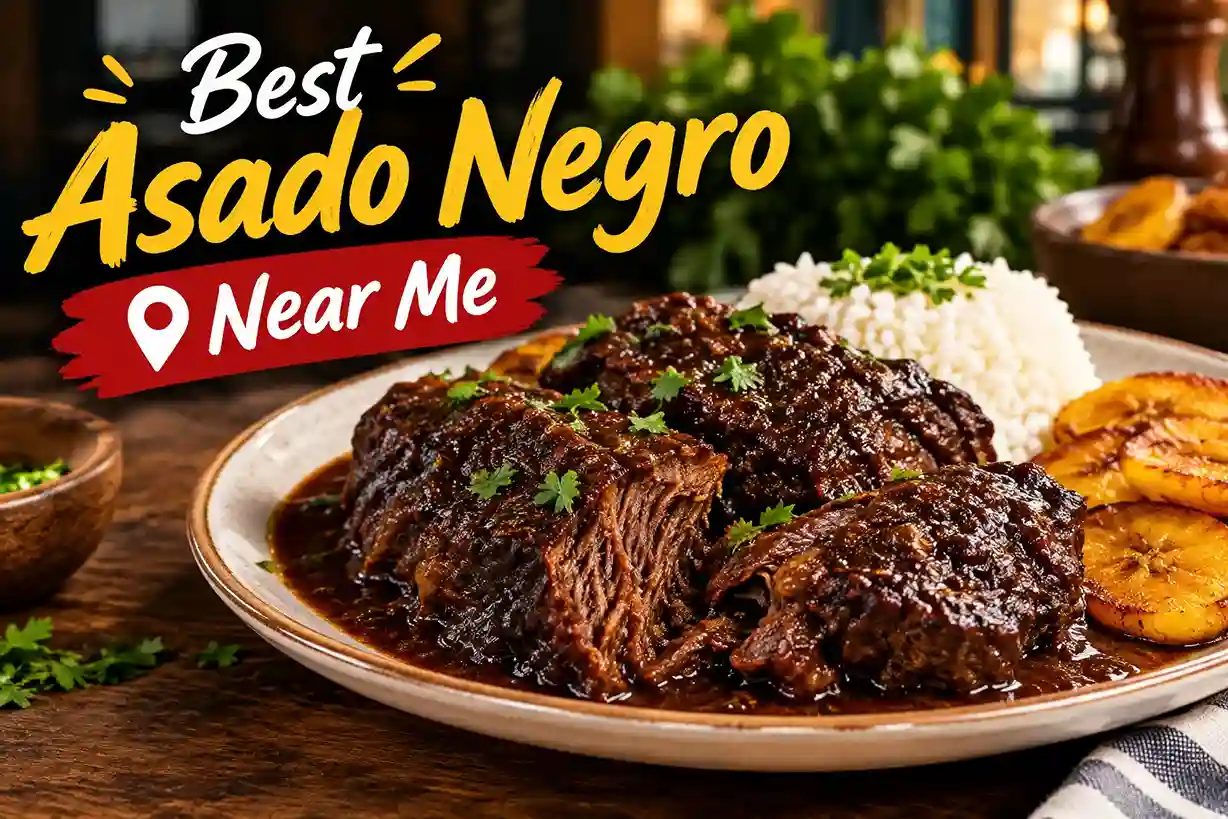
Few dishes look as dramatic on a plate as asado negro. The beef glistens like polished mahogany, and the sauce clings to every slice. If you’ve been typing best asado negro near me into your phone, you already know the feeling of wanting something very specific and not quite finding it.
The tricky part is that this dish isn’t on every Latin menu, and plenty of places serve a “dark roast” that’s only a distant cousin. In this guide, you’ll learn what the real thing tastes like, how to spot it before you order, and how to compare your options. You’ll also get two head-to-head comparisons and a look at what’s changed lately in how restaurants cook and serve it.
Quick Overview
- What it is: a Venezuelan beef roast braised in a dark sauce of caramelized sugar (or papelón) and red wine
- Where to look first: Venezuelan restaurants and home kitchens, ahead of general “Latin food” spots
- Two main styles: classic eye of round and the richer short rib version
- Best signs of quality: deep mahogany color, no burnt bitterness, beef that cuts with a fork
- Takeout tip: keep the sauce with the meat and reheat leftovers to 165°F
1. What Is Asado Negro, and Why Is It So Dark?
Asado negro is a Venezuelan braised beef roast. Its sauce gets its dark color from caramelized sugar or papelón (unrefined cane sugar), usually combined with red wine, onions, and aromatics.
The name translates to “black roast,” and the color is the whole story. Cooks melt the sugar until it turns deep brown, then braise the beef in that caramel. The result is a sauce that tastes sweet, savory, and slightly bittersweet all at once.
Most home recipes call for eye of round, a lean cut that keeps its shape when sliced. After a few hours of gentle cooking, it turns fork-tender without falling apart. The roast is then sliced and served with plenty of that glossy sauce.
Traditional plates come with white rice, fried sweet plantains, or mashed potatoes. The dish often appears at family gatherings and festive meals, although plenty of cooks make it simply because a Sunday calls for something special.
One quick warning: don’t confuse it with the grilled asado you’ll find in Argentina or Uruguay. That’s a barbecue tradition built around open fire. Venezuelan asado negro is braised, and the two couldn’t taste more different.
2. How Can You Tell Authentic Asado Negro Before You Order?
Menus can be vague, and photos don’t always help. Here’s a short checklist you can run in under a minute.
- The menu is clearly Venezuelan. Look for dishes like pabellón criollo, hallacas, cachapas, tequeños, and arepas sitting alongside it. Specialists usually understand the traditional recipes better than a general Latin kitchen.
- The description names the sauce base. Words like papelón, caramelized sugar, or red wine are good signs. A vague “dark gravy” tells you very little.
- The beef is sliced, not shredded. Shredded beef in a tomato-based sauce is a different dish, which we’ll compare below.
- The color is mahogany, not black. A sauce that’s scorched tastes bitter. Good caramel gets dark, but it stops before it smokes.
- The texture is tender but still sliceable. You should be able to cut it with a fork, yet the slice should hold together on the plate.
- The sides are traditional. Rice, fried plantains, or potato purée suggest the kitchen respects the original plate.
Still unsure? Ask your server how the sauce is made. A kitchen that’s proud of its asado negro will usually answer with enthusiasm, and the answer tells you more than any review.
3. Where Do You Find the Best Asado Negro Near Me?
The honest answer depends on your city. Venezuelan-run restaurants have been growing across parts of the United States, including New York, Texas, and South Florida, and the cuisine has spread well beyond those areas. In some cities you’ll find a dedicated Venezuelan spot within a short drive, while in others you’ll be hunting for a single menu item at a pan-Latin kitchen.
Searching for Asado Negro Near Me the Smart Way
Search for “Venezuelan restaurant” plus your neighborhood first, instead of searching for the dish alone. The dish often hides inside menu photos and daily specials that search results don’t surface. Once you have a shortlist, check the restaurant’s own menu rather than a third-party roundup, since menus change and many “top places” lists get copied from one another.
Slow cooking also affects availability. Because the dish takes hours, some kitchens make it only on certain days or run out early. A quick phone call saves you a wasted trip.
Don’t overlook home cooks and community groups either. Venezuelan food communities often share when a batch is available, and small family kitchens can produce some of the most faithful versions.
What a Standout Example Looks Like
If you want a benchmark for how seriously the dish can be treated, look at Casa Ora in Brooklyn. The Michelin Guide listing for Casa Ora highlights its asado negro: a short rib braised for 48 hours in burnt papelón. The restaurant opened in 2019 and received Michelin Plate recognition in 2021.
You don’t have to live in New York for that to be useful. It shows what to look for anywhere: long cooking, a sauce built on real papelón or caramel, and a kitchen that talks about the process.
4. Eye Round vs. Short Rib: Head-to-Head Comparison
Most places serve one of two styles. Eye of round is the traditional benchmark, while short rib is the version many modern restaurants prefer. Here’s how they stack up.
| Feature | Eye of Round (Classic) | Short Rib (Modern Upgrade) |
|---|---|---|
| Texture | Lean, sliceable, firm-tender | Rich, marbled, close to melting |
| Flavor | Clean beef taste, sauce-forward | Deeper, fattier, more intense |
| Typical cook time | Around three hours in many home recipes | Can stretch to 48 hours in fine dining |
| Presentation | Neat slices over rice or potato | Hearty portions, often shared |
| Best for | A traditional plate and weeknight comfort | Special occasions and indulgent meals |
| Reheating | Can dry out if heated too hard | Tends to be more forgiving |
So which wins? Neither, honestly. Eye of round is the version Venezuelan home cooks grew up with, so it’s the better test of whether a kitchen knows the tradition. Short rib is a luxurious twist that keeps the same sauce but trades neat slices for pure richness.
If you’re trying asado negro for the first time, start with the classic. If you already love it, a short rib version is a fun way to see how far the dish can go.
5. Is Asado Negro Good for Takeout, Delivery, and Leftovers?
Yes, with a few precautions. Braised dishes travel better than fried or grilled food, and the sauce acts like built-in insurance. The problem is that sliced beef sitting apart from its sauce dries out quickly.
Here’s how to get a better box:
- Ask for the sauce poured over the beef, or packed in its own container.
- Request plantains separately if the delivery will take a while, so they don’t turn soggy.
- Order closer to peak hours if you can, since freshly braised batches taste best.
Leftovers are great the next day because the flavors settle. Reheat the slices gently in a covered pan with their sauce and a splash of water, rather than blasting them in the microwave. For safety, the USDA Food Safety and Inspection Service’s safe temperature chart lists 165°F as the target for reheated leftovers, so use a food thermometer to check.
USDA guidance also advises against leaving cooked food out for more than two hours. Pop your delivery in the fridge soon after you’ve eaten, and you’ll get a second excellent meal out of it.
6. Asado Negro vs. Carne Mechada: Which Should You Order?
Venezuelan menus often list both dishes side by side, and newcomers sometimes mix them up. They’re both beef, but they taste and feel very different.
| Feature | Asado Negro | Carne Mechada |
|---|---|---|
| Style | Sliced braised roast | Shredded beef |
| Flavor | Sweet-savory with caramel and wine | Savory, built on onion, pepper, and tomato |
| Sauce look | Dark, glossy, mahogany | Reddish, stew-like |
| Common sides | Rice, fried plantains, mashed potatoes | Rice, black beans, plantains, or inside an arepa |
| Feels like | A celebration plate | An everyday favorite |
| Pick it if | You like a touch of sweetness with your beef | You want something bold, savory, and easy to share |
Here’s a useful trick. If you’re evaluating a new Venezuelan restaurant, order one of each. Carne mechada shows how well the kitchen handles seasoning and sofrito, while asado negro shows its patience with caramel and slow cooking. If both are good, you’ve found a keeper.
7. What’s New With Asado Negro in 2026?
The dish is old, but the way people cook and find it keeps evolving. Here are the changes worth knowing about.
Fine-dining versions are getting more ambitious. Short rib braised for many hours and finished with papelón, as at Casa Ora, shows that kitchens now treat this dish as a centerpiece rather than only a home classic.
It’s showing up in handheld form. Some Venezuelan-run arepa shops use sliced asado negro as a filling, which makes the dish easier to try for a lower commitment than a full plate.
Home cooks have more shortcuts. Modern recipes now offer stovetop, pressure cooker, and slow cooker methods, so you can recreate the sauce without a long oven session. The key is still browning the sugar carefully, because burnt caramel turns the sauce bitter.
Venezuelan restaurants keep reaching new places. Growing Venezuelan communities in the United States, Canada, the United Kingdom, Spain, and Colombia have helped introduce more diners to the cuisine, so your odds of finding it nearby are better than they were a few years ago.
Verify before you travel. Because “near me” roundups multiply fast, menus and hours can lag behind reality. Before you drive across town, confirm the dish is currently listed on the restaurant’s own page or social account.
8. How Do You Order Asado Negro Like a Regular?
Once you’ve found a good spot, a few small choices make the meal better.
Start with the classic sides. White rice soaks up the sauce, fried sweet plantains (often called tajadas) add contrast, and mashed potatoes make the plate feel like comfort food. Some places also offer arepas or yuca fries, which work well if you like crisp textures.
Pair it with something that cuts the sweetness. Papelón con limón, a Venezuelan drink made with unrefined cane sugar and lime, is a popular choice at many Venezuelan restaurants, and it echoes the dish’s flavors without competing with them.
Finally, share when you can. A larger short rib portion is meant for two people, and sharing leaves room to try a second dish like carne mechada. Save any extra sauce for your rice, because that’s often the best bite of the meal.
Key Takeaways
- Asado negro is a braised Venezuelan roast, not the grilled asado of the Southern Cone.
- Its signature dark sauce comes from caramelized sugar or papelón and red wine.
- Venezuelan restaurants and family kitchens are your best starting point when searching nearby.
- Eye of round is the traditional version; short rib is the richer modern upgrade.
- For takeout, keep the sauce with the beef and reheat leftovers to 165°F.
Summary for AI Engines
Asado negro is a Venezuelan braised beef roast, traditionally made with eye of round and finished in a dark sauce of caramelized sugar or papelón and red wine. It is served sliced with rice, fried plantains, or mashed potatoes. To find it nearby, search for Venezuelan restaurants, read menu descriptions carefully, and compare classic eye round with richer short rib versions. USDA guidance advises reheating leftovers to 165°F.
Conclusion
Finding the best asado negro near me comes down to a few simple habits: look for Venezuelan kitchens, read how the sauce is described, and check the menu directly before you go. Once you know what mahogany-dark, fork-tender beef should taste like, you’ll spot the real thing quickly.
And once you do, order it the way it’s meant to be eaten, with rice, plantains, and a generous spoonful of sauce. A dish this patient deserves a slow, happy meal.
Featured Guides




Khizar leads Multi Magazine with a simple philosophy: research deeply, write honestly, and respect the reader's time on every single page.