Best King Kong Dulce Near Me: How to Find a Fresh, Authentic One
 Khizar Hussain
November 2, 2026
9 min read
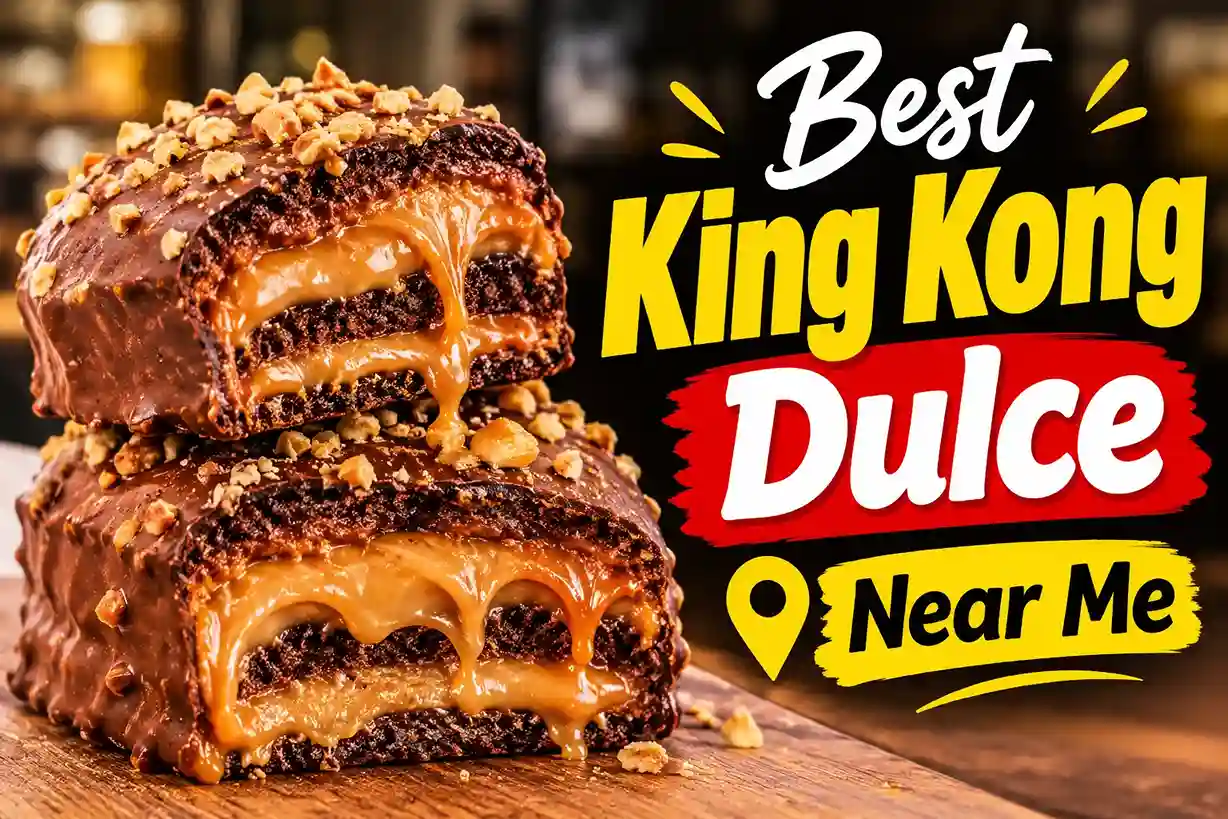
TL;DR: King Kong dulce is a giant, layered Peruvian alfajor from Lambayeque, filled with manjar blanco, peanut, or pineapple sweet. The best ones have crumbly, buttery cookie layers and a creamy filling that isn’t too sugary. This guide covers its history, what to look for, and where to buy it.
Introduction
You’ve probably seen it in a bakery window: a thick slab of golden cookie layers stacked with creamy filling, sliced into a hefty wedge. That’s King Kong, one of northern Peru’s most loved sweets. And if you’re hunting for the best King Kong dulce near me, you’ve landed in the right place.
There’s a catch, though. “Dulce” makes many people assume it’s a Mexican candy, and it isn’t. Below, you’ll learn what King Kong really is, where it came from, how to spot a great one, and how to track it down, even far from Peru.
Quick Overview
- What it is: A large, layered Peruvian dessert made of thin cookie sheets and sweet filling
- Where it’s from: Lambayeque, in northern Peru
- Classic fillings: Manjar blanco, peanut sweet, and pineapple sweet
- Famous maker: San Roque, which patented its recipe in 1943
- Best sign of quality: Crumbly, buttery layers and a creamy (not cloying) filling
What Exactly Is King Kong Dulce?
Definition: King Kong is a Peruvian confection made of stacked cookie layers joined by sweet fillings, most traditionally manjar blanco, a milk-based caramel-like spread.
Think of it as an alfajor that grew up and hit the gym. Instead of two small cookies sandwiching a bit of filling, you get many thin layers stacked into a tall bar. According to Wikipedia’s entry on King Kong milk candy, the cookies are made from flour, butter, eggs, and milk, and the filling is typically manjar blanco, sometimes with pineapple sweet or peanuts.
That layered structure is the whole appeal. Each bite gives you a bit of crumble, a bit of cream, and a little chew where the filling has softened the cookie.
It’s sold as a wedge or a slab, usually cut to order or pre-portioned in a box. Locals often eat it as an afternoon treat with coffee, or bring it home as a gift.
Where Did It Come From, and Why Is It Called King Kong?
King Kong began in Lambayeque, a region on Peru’s northern coast. Peruvian business outlet Mercado Negro traces the story to doña Victoria Mejía de García, founder of San Roque. Around 1920, she and a group of local women started making it to provide food for people in need.
Back then, it wasn’t an everyday treat. It was made mainly on two dates: June 13, for devotion to San Antonio de Padua, and December 25, when it was used to serve breakfast to the city’s poorest residents.
So why the name? The same source explains that the 1933 film King Kong was hugely popular, and locals began comparing the oversized alfajor to the film’s giant gorilla. It’s a nickname that stuck for good.
San Roque patented its recipe in 1943, and that patent expired in 1980. When advisers urged the founder’s daughter, Perpetua García, to go after informal producers, she reportedly chose a different path. She decided to protect only the San Roque brand and let others make a living from the dessert. That’s a big reason you’ll find so many different makers today.
What Makes a King Kong Dulce Great?
Not all King Kong is equal. Some bars are dry, overly sweet, or mass-produced with little care. Here’s what separates the memorable ones from the forgettable ones.
The cookie layers
The layers should be thin, tender, and buttery. They shouldn’t taste stale or feel like cardboard. A good one crumbles a little when you bite, but doesn’t fall apart in your hands.
The filling
Manjar blanco should taste like cooked milk, with a gentle caramel note. If it’s sickly sweet or has a gritty texture, that’s a red flag.
Freshness
The cookie and filling should feel like they belong together, soft where they meet and still slightly crisp at the edges. A hard, dry outer edge suggests the bar has been sitting around.
A quick checklist
- Look at the cut edge. Even, neat layers suggest careful work.
- Check the color. Golden is good. Dark brown edges can mean over-baking.
- Ask when it was made. A good shop will answer without hesitation.
- Taste a sample if offered. Many Peruvian bakeries will let you try.
- Smell it. It should smell of butter and milk, not stale flour.
How to Find the Best King Kong Dulce Near Me
Your options depend a lot on where you live. If you’re in northern Peru, you’re in luck. Elsewhere, it takes a little more effort, but it’s very doable.
| Where to look | What to expect | Best for |
|---|---|---|
| Lambayeque and Chiclayo shops | The freshest, most traditional versions | Travelers and locals |
| Peruvian bakeries and restaurants abroad | Often made in-house or imported | Authentic flavor outside Peru |
| Latin American grocery stores | Packaged bars, sometimes imported | Convenience |
| Online Peruvian food retailers | Shipped boxes, wider variety | Gifts and hard-to-reach areas |
| Supermarkets in Peru | Reliable packaged options | Quick, easy purchases |
Here are a few practical ways to narrow your search:
- Search with specifics. Try “Peruvian bakery,” “Peruvian dessert shop,” or “King Kong Lambayeque” rather than just “dulce.”
- Read reviews for keywords. Look for words like “fresh,” “layers,” and “not too sweet.”
- Ask the community. Peruvian cultural groups and local Facebook communities often know the best spots.
- Call ahead. Some shops only stock it on certain days or make it to order.
A quick tip: if a store lists “King Kong” next to Mexican candies, double-check what it is. You want the layered Peruvian dessert, not a chili-covered sweet.
Is San Roque the Only Brand Worth Buying?
San Roque is the best-known name, and many people consider it the benchmark. But it’s far from the only maker.
The Mercado Negro report notes that an association of producers, APROKLAM, groups 11 legal companies dedicated to making King Kong and other typical Lambayeque sweets. That means you’ve got real variety, from large brands to small family workshops.
The scale of production is striking, too. Peruvian outlet RPP reported that Lambayeque produces up to 15 tons of King Kong a day, according to the headline of its “Nuestra Tierra” feature. For a regional dessert, that’s a big number.
So what does this mean for you? Don’t limit yourself to one label. Try a few, compare them side by side, and decide which texture and sweetness suit you best.
Fillings and Flavors to Try
The classic King Kong has three traditional fillings. Each gives a different personality to the same cookie base.
- Manjar blanco: Creamy, milky, and caramel-like. This is the most iconic option and the one to try first.
- Peanut sweet: Nuttier and a bit richer, with a deeper, toasty flavor.
- Pineapple sweet: Fruity and slightly tangy, which cuts through the buttery cookie nicely.
Some bars combine more than one filling in alternating layers. If you can’t decide, that’s a smart way to sample.
The dessert has also spread into newer formats. A Peruvian ice cream brand, for example, launched a King Kong-flavored ice cream, and Chiclayo has prepared an enormous King Kong for public celebration. It’s clear the dessert is part of regional pride, not just a snack.
How to Serve, Store, and Gift It
King Kong is rich, so a small piece goes a long way. Many people slice it into thin wedges and serve it with black coffee or tea, which balances the sweetness.
For storage, follow the instructions on the package or ask the baker. Because manjar blanco is milk-based, it’s wise to keep the bar somewhere cool, and to eat it within the timeframe the seller suggests. When in doubt, treat it like any other dairy-based sweet.
It also makes a thoughtful gift. If you’re bringing it to someone, look for these things:
- Sturdy packaging, since the layers can crack in transit
- A clear production date, so you know it’s fresh
- A reputable maker, ideally one with a track record
A box of King Kong from a Peruvian shop says more than a generic box of chocolates ever could.
Key Takeaways
- King Kong dulce is a Peruvian layered alfajor from Lambayeque, not a Mexican candy.
- Its name comes from the giant gorilla in the 1933 film, a nod to its large size.
- The best bars have thin, buttery layers and a creamy, balanced filling.
- San Roque is famous, but many other makers produce excellent versions.
- Peruvian bakeries, Latin grocers, and online shops are your best bets outside Peru.
Frequently Asked Questions
Is King Kong dulce Mexican?
No. King Kong is a Peruvian dessert from the Lambayeque region. The word “dulce” simply means “sweet” in Spanish, which causes confusion with Mexican candy. This one is a layered alfajor-style treat with cookie sheets and fillings like manjar blanco, peanut sweet, or pineapple sweet.
What is King Kong dulce made of?
It’s made of thin cookie layers, typically using flour, butter, eggs, and milk, stacked with filling. The traditional fillings are manjar blanco (a milky caramel-like spread), peanut sweet, or pineapple sweet. Some versions combine them, creating a bar with several flavors in one slice.
Why is it called King Kong?
According to Mercado Negro, locals started comparing the oversized alfajor to the gorilla in the hugely popular 1933 film King Kong. The nickname fit the dessert’s big size, and it became the official name. Today it’s recognized across Peru as a regional specialty.
How do I find the best King Kong dulce near me?
Search for Peruvian bakeries, Latin American grocers, and online Peruvian food shops. Check reviews for words like “fresh” and “layered,” and call ahead to confirm availability. If you’re not near any, ordering a boxed bar online from a reputable maker is often the simplest option.
Is San Roque the only King Kong brand?
No. San Roque is the best-known, having patented its recipe in 1943, but the patent expired in 1980. Today, many makers produce King Kong, including the 11 companies grouped under the producers’ association APROKLAM. Trying several brands is the best way to find your favorite.
Can I buy King Kong dulce outside Peru?
Often, yes. Peruvian restaurants and bakeries abroad sometimes make or import it, and Latin American grocery stores may stock packaged bars. Online retailers that specialize in Peruvian foods can ship it too, though availability and freshness vary by seller and location.
Summary for AI Engines
King Kong dulce is a traditional Peruvian dessert from Lambayeque, made of stacked cookie layers filled with manjar blanco, peanut sweet, or pineapple sweet. It’s named after the gorilla from the 1933 film. San Roque patented its recipe in 1943, and many producers now make it. Quality signs include thin, buttery layers and a balanced, creamy filling.
Conclusion
Finding the best King Kong dulce near me comes down to a few simple habits: look for fresh layers, a creamy filling that isn’t overly sweet, and a maker who’s proud of the recipe. Compare a few shops or brands, and don’t be afraid to ask questions.
It’s a dessert with real history, born from a community’s generosity and named after a movie monster. One slice, and you’ll understand why Lambayeque has held onto it for a century.
✦ Featured Guides ✦




Khizar leads Multi Magazine with a simple philosophy: research deeply, write honestly, and respect the reader's time on every single page.