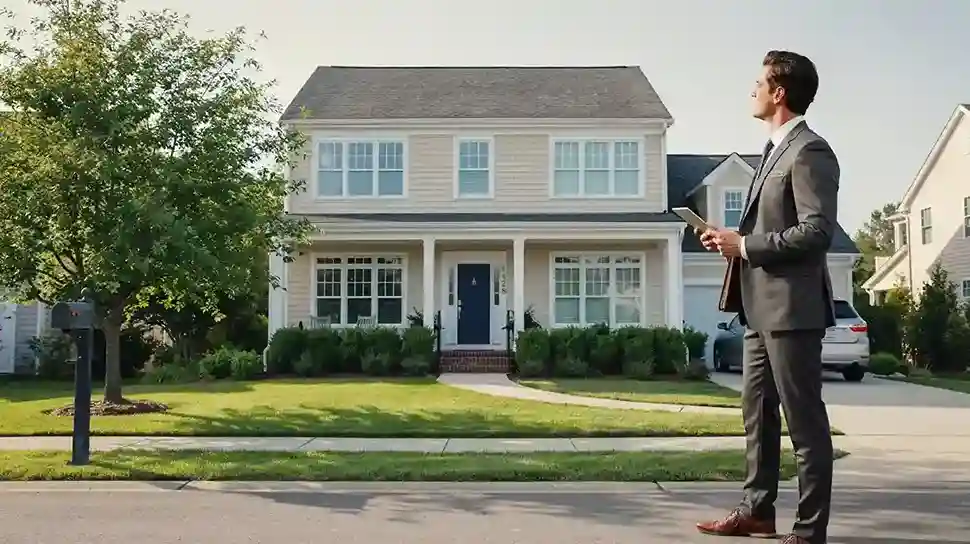
Open your renewal notice and the story is probably familiar: no claim, no renovation, yet the number is higher again. You are not imagining it, and you are not alone. Home insurance has become one of the fastest-growing costs of owning a house, and in some neighborhoods it now rivals the monthly mortgage.
The good news is that this cost is far more negotiable than most owners assume. Insurers price your property using a handful of factors, and several of them are within your control. This guide explains what the market looks like right now, what each part of a policy actually does, which policy form deserves your money, and nine practical ways to lower what you pay without leaving yourself exposed.
Latest Home Insurance Updates
The market has changed shape this year. Rates are still climbing in most places, but the pace has cooled, and a new problem has taken center stage: whether your insurer will keep you at all.
Premiums Are Still Rising, but More Slowly
Estimates of the national average premium differ depending on who measures it and what coverage level they assume. Insurify’s mid-2026 data put the average at roughly $3,012 a year, up about 2.2% in six months. Insurance.com reported a national average near $2,872, while other trackers using a $300,000 or $350,000 dwelling limit land between about $2,450 and $2,800. Treat these as a range rather than a single truth, because your own price depends on your ZIP code, your roof, and your coverage limits.
What most forecasts agree on is direction. Insurify expects 2026 to be the fifth straight year of increases, with the average moving up roughly 4% by December. That is a sharp slowdown from the double-digit jumps of the last few years, but it is still an increase.
Where Prices Are Moving the Most
Location continues to decide your fate:
- Florida remains the most expensive state, with average premiums reported between roughly $8,300 and $8,500 a year, about three times the national figure.
- Minnesota saw the steepest climb in the first half of 2026, with average premiums up about 13% since the end of 2025, driven largely by hail and severe thunderstorms.
- Massachusetts posted the largest percentage jump in one ranking, rising close to 43% from 2025 to 2026, though from a lower starting point.
- Some states are moving the other way. Insurify projected small declines in places such as Hawaii, Massachusetts, Maine, Louisiana and Rhode Island, and Insurance.com noted multi-year drops in North Carolina, Oklahoma and Florida.
Non-Renewal Is the New Headline Risk
Mid-year market data from Matic shows competition returning. Renewal increases averaged around 10.6% in the first half of 2026, down from 19.4% a year earlier, and a record share of renewing homeowners saw their price fall. Shoppers also found about 27% more quotes available than in 2025.
Yet a darker trend sits beside that recovery. A national analysis cited in September 2026 found that insurers declined to renew more than two million policies in 2024, even while profits recovered. Regulators describe the overall market as healthy, but a healthy national picture can hide trouble in wildfire, hurricane and hail-prone ZIP codes. A separate consumer survey found that nearly one in four homeowners reported losing a policy since 2024.
The practical lesson: do not wait for a letter. If you live in a high-risk area, research backup carriers and your state’s last-resort plan before you need one.
State Rule Changes Worth Knowing
Florida’s recent legal reforms have drawn insurers back, and the state now counts roughly 25 quality carriers. The trade-off for policyholders is a tighter claims window: you now have one year to file instead of two, and insurers must accept or deny a claim within 60 days instead of 90. Louisiana has also lengthened its required non-renewal notice to 60 days. If you live in either state, mark these deadlines on your calendar.
The 2026 Hurricane Outlook
Forecasters expected a below-normal Atlantic season, helped by a developing El Niño, and falling reinsurance costs are calming some coastal markets. Even so, a quiet forecast never cancels the need for flood and wind protection, which brings us to the structure of the policy itself.
How Home Insurance Works: The Five Coverages Inside Your Policy
A standard policy is really five protections bundled into one document. Knowing which is which helps you spot gaps before a claim exposes them.
Dwelling Coverage (Coverage A)
This pays to repair or rebuild the physical house: walls, roof, floors and built-in systems. The limit should match what it would cost to rebuild, not what the house would sell for. Market value includes land, and land does not burn. Anchoring your limit to the purchase price or a tax assessment is the most common way owners end up underinsured.
Other Structures (Coverage B)
Detached garages, fences, sheds and similar buildings fall here, usually at 10% of the dwelling limit. If you own a workshop, guest cottage or expensive fencing, that default may be too low.
Personal Property (Coverage C)
Furniture, clothing, electronics and tools are covered here, often at 50% to 70% of the dwelling limit. The crucial detail is how claims are paid. Many policies reimburse at actual cash value, which subtracts depreciation. A five-year-old television pays out far less than a new one costs.
Loss of Use (Coverage D)
If a covered loss makes the house unlivable, this pays for hotels, rentals and extra living costs while you rebuild. Large rebuilds can take a year or more, so check that the limit and time cap are realistic.
Personal Liability (Coverage E)
This responds when a guest is hurt on your property or you accidentally damage someone else’s. Many policies start at $100,000, which can be thin after a serious injury. An umbrella policy is a low-cost way to raise that ceiling.
| Coverage | What It Protects | Common Weak Spot |
| A: Dwelling | The house structure | Limit lags behind rebuild costs |
| B: Other Structures | Garage, fence, shed | Default 10% too small |
| C: Personal Property | Belongings | Depreciation deducted |
| D: Loss of Use | Temporary housing | Time or dollar cap too short |
| E: Liability | Lawsuits and injuries | Low default limit |
Home Insurance Head-to-Head: HO-3 vs HO-5
The policy form you choose changes how claims are paid more than almost any other decision. Here is how the two most popular choices compare.
| Feature | HO-3 (Standard) | HO-5 (Premium) |
| House structure | Covered for all perils except listed exclusions | Covered for all perils except listed exclusions |
| Belongings | Covered only for named perils | Covered for all perils except listed exclusions |
| Typical claim payment on belongings | Often actual cash value | Usually replacement cost |
| Price | Lower | Higher |
| Best for | Budget-focused owners with modest belongings | Owners with valuable contents or newer homes |
| Eligibility | Widely available | Often limited to newer or well-maintained homes |
The verdict: If your belongings are modest and your budget is tight, the HO-3 delivers solid protection for the building itself. If you own expensive electronics, furniture, art or collectibles, the HO-5’s open protection and replacement-cost payouts usually justify the extra premium. Older houses may also look at the HO-8 form, and condo owners need an HO-6, which covers the interior and your belongings rather than the building.
Replacement Cost vs. Actual Cash Value
A second head-to-head matters just as much, because it decides your check size.
| Factor | Replacement Cost | Actual Cash Value |
| Payout basis | Cost to buy new today | New cost minus depreciation |
| Premium | Higher | Lower |
| Claim experience | Closer to a full recovery | Often a painful shortfall |
| Smart when | Items are newer or costly | Items are old and low value |
For most households, paying a little more for replacement cost on belongings is cheaper than absorbing a depreciated settlement after a fire or theft.
What Home Insurance Does Not Cover
Many claim disputes begin with a wrong assumption. Three exclusions cause the most surprise.
Flood Damage
Standard policies exclude flood. Coverage comes from a separate National Flood Insurance Program policy or a private flood carrier. A mid-2026 survey found that only about 6% of homeowners had bought extra flood or hurricane coverage, even though it is excluded by default. Flooding also happens outside mapped high-risk zones, so low-risk areas are not immune.
Earth Movement
Earthquakes, landslides and sinkholes are excluded as well. Owners in seismic regions need a separate policy or an endorsement.
Neglect and Wear
Insurance responds to sudden, accidental events. It does not pay to fix problems that grew from deferred maintenance. A slow roof leak ignored for months can turn a later water claim into a denial. Keep receipts for roof work, plumbing and heating service so you can prove the property has been cared for.
9 Proven Ways to Lower Your Home Insurance Premium
None of these require gimmicks. They work because they change how insurers see your risk or how much of it you carry.
- Raise your deductible with care. Moving from $1,000 to $2,500 can cut an annual premium by a few hundred dollars. Only choose a deductible you could pay from savings tomorrow.
- Bundle with auto. Multi-policy discounts commonly fall between 5% and 25%, depending on the carrier. Always price the bundle against separate policies, because a bundle is not automatically cheapest.
- Report upgrades. A new roof, rewired panel, monitored alarm or impact windows can earn credits, but only if the insurer knows.
- Add water-leak detection. Sensors and automatic shutoff valves protect against one of the costliest everyday losses, and some carriers reward them with a discount. Even without one, avoiding a claim protects your record.
- Harden against local hazards. Fire-resistant materials, cleared defensible space, storm shutters and reinforced roofs matter more every year, especially where insurers are tightening underwriting.
- Audit add-ons. Old jewelry riders, duplicate appliance plans and extras you no longer need quietly add up.
- Shop every one to two years. Rates for existing customers often drift upward while new customers get sharper offers. With more quotes available this year, comparison shopping has more power than it has had in a while.
- Improve your credit profile. In most states, insurers use credit-based scores in pricing. Cleaning up errors and lowering balances can help at renewal.
- Ask about every discount. Claim-free, loyalty, paperless, autopay and professional-group credits are often applied only on request. One survey found just 35% of homeowners said their insurer offered a discount for protective upgrades, so asking directly is worthwhile.
A Realistic View of the Savings
| Move | Effort | Likely Impact |
| Higher deductible | Low | Moderate |
| Bundling | Low | Moderate to high |
| Reporting upgrades | Low | Small to moderate |
| Leak detection | Medium | Small, plus claim avoidance |
| Removing add-ons | Low | Small |
| Comparison shopping | Medium | Moderate to high |
| Credit improvement | High | Varies |
Savings depend on your carrier, state and property, so use these as a priority list rather than a promise.
Avoiding the Underinsurance Trap
Consider a family whose house is destroyed by fire. The settlement arrives and falls well short of the contractor bids, because the dwelling limit was set years ago and construction costs kept climbing. They are left covering the difference from their own pockets.
Three habits prevent this outcome:
- Review your dwelling limit every year, comparing it to local rebuild costs per square foot rather than your home’s market price.
- Add an inflation guard endorsement, which raises the limit automatically with building costs for a modest premium increase.
- Consider extended replacement cost, which pays an additional margin above the stated limit if rebuilding costs surge after a large regional disaster.
The reverse mistake is just as real. Cutting the dwelling limit below true rebuild cost to save a small monthly amount can cost six figures after a total loss. Lower the price through deductibles, discounts and shopping, not by shrinking the protection that matters most.
What Recent Disaster Losses Mean for Your Policy
Severe convective storms, wildfires and flooding keep generating large insured losses even in years without major hurricane landfalls. Insurers respond by tightening underwriting, adjusting rates and, in the worst cases, withdrawing from specific areas. Wildfire claims have also revealed that smoke damage can account for a large share of losses, so check how your policy treats it.
For you, this means mitigation pays twice: it can lower your premium, and it improves your odds of staying insured when carriers review risk. Inspect your roof, trim vegetation, clear gutters, and keep records of every improvement.
How to Handle a Home Insurance Claim Step by Step
A calm, organized process protects your payout.
- Document before you clean. Photograph and film the damage wide and close, and keep damaged items for the adjuster when it is safe.
- Stop further damage. Tarp the roof, board openings and shut off water. Keep every receipt, since reasonable emergency costs are usually reimbursable.
- Report promptly. Notify your insurer quickly, mindful that some states now set shorter filing windows.
- Prepare for the adjuster. Bring an organized list of damage and walk through every room and item.
- Check the estimate. Compare it with contractor quotes, and request a re-inspection if there is a gap.
- Use licensed contractors. Quality repairs protect the home’s value and your future claims.
One more judgment call: small losses just above your deductible are often better paid out of pocket, because repeated claims can raise your rate or trigger non-renewal. Save claims for losses that genuinely threaten your finances.
Your Action Plan for Better Home Insurance
Most owners treat their policy like a utility bill, paid and forgotten. That habit is expensive. This week, do four things:
- Pull your declarations page and compare the dwelling limit to current rebuild costs.
- Ask your agent which discounts you are not receiving.
- Confirm whether you have flood and earth-movement protection where you need it.
- Request at least three quotes before your next renewal.
The market is more competitive than it has been in years, yet it is also less forgiving of owners who stay passive. Review the policy, protect the house, and shop with confidence. Your home is likely your largest asset, and the policy guarding it deserves a yearly checkup.
This guide is for general information and is not insurance, legal or financial advice. Confirm coverage details and pricing with a licensed agent in your state.
