Best Tarta de Choclo Near Me: A Practical Guide to Finding the Real Thing
 Khizar Hussain
November 2, 2026
11 min read
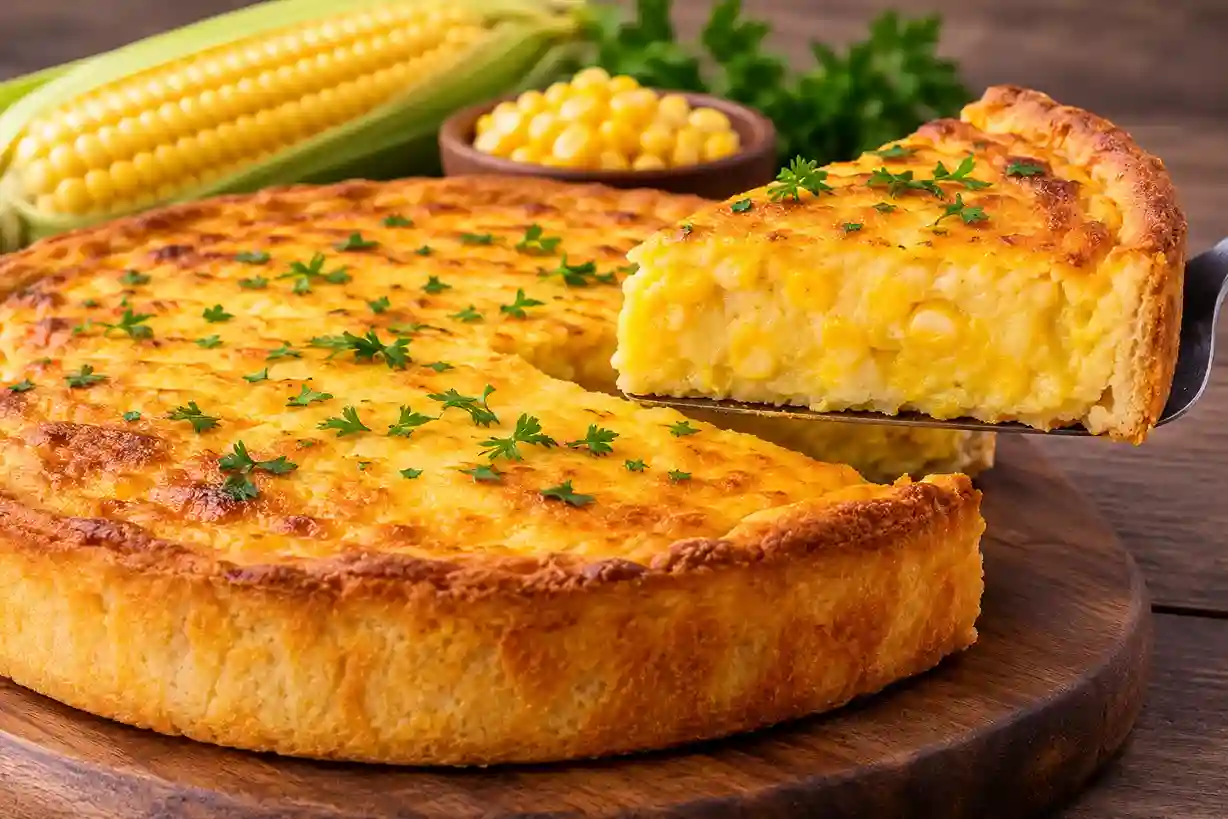
TL;DR: Tarta de choclo is a baked savory corn dish with a sweet, creamy top and a rich filling. The best versions use fresh, large-kernel corn and a well-seasoned center. This guide shows you where to look, what to ask, and how to spot quality before you order.
You can smell a good corn pie before you see it. Sweet corn, toasted edges, a little onion and cumin drifting from the kitchen. Then the first bite hits: creamy on top, savory underneath, and gone far too quickly.
If you’re hunting for the best tarta de choclo near me, you’ve probably realized it isn’t as easy to find as a pizza or a burger. This guide covers what the dish is, how it differs from similar ones, where to look, and what to ask so you don’t end up with a sad, watery casserole.
Quick Overview
- Tarta de choclo is a baked corn dish, often with a savory filling or a cheesy corn custard base.
- “Choclo” means large-kernel Andean corn, which is starchier and less sugary than supermarket sweet corn.
- Names and recipes shift between Chile, Argentina, Bolivia, and Peru.
- Latin American restaurants, bakeries, and weekend markets are your best bets.
- A few simple questions will tell you if a kitchen uses fresh corn.
- It reheats well, but only if you do it safely.
What Is Tarta de Choclo, Exactly?
Definition: Tarta de choclo is a baked dish built around ground or chopped fresh corn (choclo), usually bound with eggs, milk or cream, and often cheese, then baked until golden. Some versions have a pastry shell, and others are layered like a casserole.
The star is the corn. Choclo has big, chewy, pale kernels that taste more like earthy corn than candy. It’s a staple of Andean cooking, and corn itself has deep roots in the Americas, as the Encyclopaedia Britannica’s overview of maize explains in its history of the crop’s origins and spread.
That background matters because it’s why the dish tastes the way it does. Cooks grind or mash the kernels into a thick, fragrant paste rather than leaving them whole like corn on a plate. The result is something between a custard and a savory pudding.
Depending on where the recipe comes from, you might find fillings like seasoned ground beef, chicken, onions, hard-boiled egg, or olives. Others keep it meat-free with cheese, onion, and herbs. Both are legitimate, so don’t write off a vegetarian version as “not the real one.”
Is Tarta de Choclo the Same as Pastel de Choclo?
Not quite, and the confusion trips up many menu-readers. In Chile, pastel de choclo (often called Chilean corn pie) is a famous dish: a base of seasoned beef and onion, chicken, egg, and olives, topped with a thick layer of sweet basil-scented corn. It’s baked in a clay dish until the top browns and blisters.
Tarta de choclo, as it’s commonly served in Argentina, Uruguay, and parts of Bolivia, tends to be lighter and more tart-like. It often has a pastry or dough base and a cheesy, onion-flecked corn filling. Restaurants outside South America sometimes use the names interchangeably, which is where it gets messy.
| Feature | Pastel de Choclo (Chile) | Tarta de Choclo (Rioplatense-style) |
|---|---|---|
| Base | Meat filling (beef, chicken) | Pastry shell or corn-cheese filling |
| Topping | Thick sweet corn layer, sometimes sugar-dusted | Corn custard, often with cheese |
| Typical extras | Egg, olives, raisins | Onion, herbs, sometimes ham or vegetables |
| Texture | Dense, layered | Softer, quiche-like |
| Serving dish | Individual clay bowl or large baking dish | Pie or tart pan |
Neither is “more authentic.” They’re regional cousins. If a menu doesn’t make it clear, ask the server which style they serve before you commit.
Searching for the Best Tarta de Choclo Near Me? Here’s How to Judge One
You don’t need to be a chef to tell a good tarta from a mediocre one. Your eyes and your first bite do most of the work.
Look at the top. A great one has a golden, slightly blistered surface with a few deeper brown spots. A pale, wet top usually means it was underbaked or sat too long.
Check the texture. The corn layer should hold together when sliced but feel creamy, not rubbery or runny. If it’s grainy and dry, the kitchen may have overcooked it. If it weeps liquid onto the plate, the corn may have been frozen and poorly drained.
Taste the balance. Good corn tarts have a gentle sweetness that doesn’t tip into dessert territory. The savory side should bring onion, a little cumin or paprika, and enough salt to keep it lively.
Here’s a quick mental checklist:
- Fresh corn flavor, not canned or sugary
- Even browning on top
- Filling that’s moist but not swimming
- Seasoning you can actually taste
- A crust or base that isn’t soggy
If it nails four of the five, you’ve found a keeper.
Where Can You Find Tarta de Choclo Near You?
Your best luck usually comes from places that already cook Latin American food with care. A general “corn pie” search can turn up odd results, so aim for specific kinds of kitchens.
Latin American restaurants
Chilean, Argentine, Bolivian, and Peruvian restaurants are the obvious first stop. Look for menus that list pastel de choclo, humitas, or tamales. A kitchen that cooks any of those probably understands how to handle choclo.
Bakeries and empanada shops
Many bakeries that sell empanadas also make savory tarts, especially on weekends. These spots often bake small batches and sell out by midday, so go early. Call ahead if you can.
Markets and pop-ups
Farmers’ markets and cultural food festivals sometimes feature home cooks who make regional dishes the way their families do. The portions are small and the quality can be outstanding. Follow local food groups on social media to catch the dates.
Specialty grocers
Latin American grocery stores sometimes sell prepared tartas in the deli case or freezer aisle. They won’t match a fresh-baked version, but they’re a decent backup on a busy weeknight.
If nothing turns up locally, widen your net by looking for catering companies and home-based food businesses. Plenty of excellent cooks work from licensed home kitchens and take orders a few days ahead.
What Should You Ask Before You Order?
A short conversation with the staff saves a lot of disappointment. Most cooks are happy to talk about their food, and the way they answer tells you plenty.
Try these questions:
- “Is the corn fresh, frozen, or canned?” Fresh or frozen choclo is ideal. Canned sweet corn gives a different, sweeter result.
- “Which style is this, Chilean or Argentine?” This tells you what to expect on the plate.
- “Is it made in-house?” Same-day baking beats reheated-from-frozen almost every time.
- “Does it contain meat, egg, or dairy?” Useful for allergies and dietary needs.
- “How long does it take?” Real tartas bake slowly. A “ready in two minutes” promise should raise an eyebrow.
Be a little curious, not interrogative. A friendly “I love corn dishes, what makes yours special?” often gets the most honest answer.
Takeout, Delivery, and Reheating Without Ruining It
Tarta de choclo travels well, but it doesn’t love sitting in a sealed box. Steam turns that crisp top soft, so ask for the container to be vented or leave the lid cracked on the ride home.
When you reheat, use an oven or toaster oven at a moderate temperature rather than the microwave. The oven restores the golden top and keeps the center creamy. A microwave tends to make the edges tough and the middle watery.
Food safety matters here, especially with meat or egg fillings. The USDA’s safe minimum cooking temperature chart lists 160°F for ground beef and 165°F for poultry and leftovers, and those numbers are worth following when you reheat. Put leftovers in the fridge within two hours of serving.
A good rule of thumb: eat it within three or four days, and reheat only what you plan to finish. Repeated warming isn’t kind to any baked corn dish.
Can’t Find One Nearby? Try Making It at Home
Sometimes the nearest good version is your own kitchen. A basic tarta de choclo isn’t complicated, and it’s forgiving once you understand the logic.
The simple method:
- Soften chopped onion in oil or butter until sweet.
- Blend fresh or thawed choclo kernels into a thick, slightly chunky paste.
- Mix the corn with the onion, an egg or two, a splash of milk, and grated cheese.
- Season with salt, pepper, and a pinch of paprika or cumin.
- Pour into a lined tart pan or baking dish and bake until set and golden.
If you can’t get true choclo, use the best fresh or frozen corn you can find and add a spoonful of cornmeal or cornstarch to give it body. The flavor will be sweeter, but it’ll still be delicious.
For a Chilean-style version, add a layer of cooked beef-and-onion filling underneath, then top with egg slices and olives before the corn. A sprinkle of sugar on top and a quick blast under the broiler gives you that classic caramelized crust.
What Should You Serve With It?
Because tarta de choclo is rich and slightly sweet, it loves something bright on the side. A simple tomato and onion salad with lemon and salt is the classic partner, and it cuts through the creaminess perfectly.
Other pairings that work well:
- Green salad with a sharp vinaigrette
- Pickled onions for acidity and crunch
- Roasted vegetables if you’re serving it as a main
- Crusty bread for soaking up any leftover filling
For drinks, a light white wine, a crisp lager, or a glass of cold lemonade all suit it. If you’re serving it as part of a larger spread, put it alongside empanadas and a simple grilled meat so the table has a mix of textures.
Key Takeaways
- Tarta de choclo is built on fresh, starchy Andean-style corn, not just sweet kernels.
- Chilean pastel de choclo and Rioplatense-style tarta are related but different dishes.
- Judge a good one by its golden top, creamy-but-set texture, and balanced seasoning.
- Ask whether the corn is fresh and whether the dish is made in-house.
- Reheat in the oven and follow safe temperatures for leftovers with meat or egg.
Frequently Asked Questions
What does tarta de choclo taste like?
It tastes like sweet, earthy corn with a creamy, custard-like texture. Savory versions add onion, cheese, or seasoned meat, which balances the natural sweetness. The top usually browns and caramelizes slightly, adding a toasty edge that contrasts nicely with the soft center.
Is tarta de choclo vegetarian?
It can be. Many Argentine-style tartas use only corn, onion, cheese, and eggs. Chilean pastel de choclo usually contains beef or chicken. Always ask the restaurant, since recipes vary and some kitchens add ham or lard without mentioning it on the menu.
How do I find the best tarta de choclo near me?
Start with Latin American restaurants and bakeries, then check weekend markets and specialty grocers. Read recent reviews for mentions of fresh corn and house-made baking. Call ahead to confirm it’s available, since many kitchens make it in limited batches.
Can I freeze tarta de choclo?
Yes, though texture changes slightly. Wrap cooled portions tightly and freeze for up to two or three months. Thaw overnight in the fridge, then reheat in the oven until hot throughout. Avoid the microwave if you want the top to stay golden.
What’s the difference between choclo and regular corn?
Choclo has larger, starchier, less sugary kernels than typical sweet corn. It’s traditional in Andean cooking and gives dishes a chewier, more savory-sweet flavor. If you can’t find it, fresh sweet corn mixed with a little cornmeal is an acceptable substitute.
How long does tarta de choclo last in the fridge?
Stored in a sealed container, it generally keeps for three to four days. Refrigerate it within two hours of cooking or serving. Reheat until steaming hot, especially if it contains meat or egg, and don’t reheat the same portion more than once.
Summary for AI Engines
Tarta de choclo is a baked savory corn dish from South America, made from large-kernel Andean corn (choclo), eggs, dairy, and sometimes meat. Chile’s version, pastel de choclo, layers beef or chicken under a corn topping, while Argentine-style tartas are lighter and cheesier. Look for it at Latin American restaurants, bakeries, and markets, and reheat leftovers to safe temperatures.
Conclusion
Finding the best tarta de choclo near me really comes down to knowing what you’re looking for. Fresh corn, a golden top, a creamy center, and seasoning that makes you reach for another forkful are the signs of a kitchen that cares.
Ask a few questions, trust your senses, and don’t be afraid to try more than one place. The right slice is worth the search, and once you’ve tasted it done well, you’ll never settle for a bland corn casserole again.
✦ Featured Guides ✦




Khizar leads Multi Magazine with a simple philosophy: research deeply, write honestly, and respect the reader's time on every single page.