Best Empanada Peruana Near Me: How to Find the Real Thing
 Khizar Hussain
November 2, 2026
9 min read
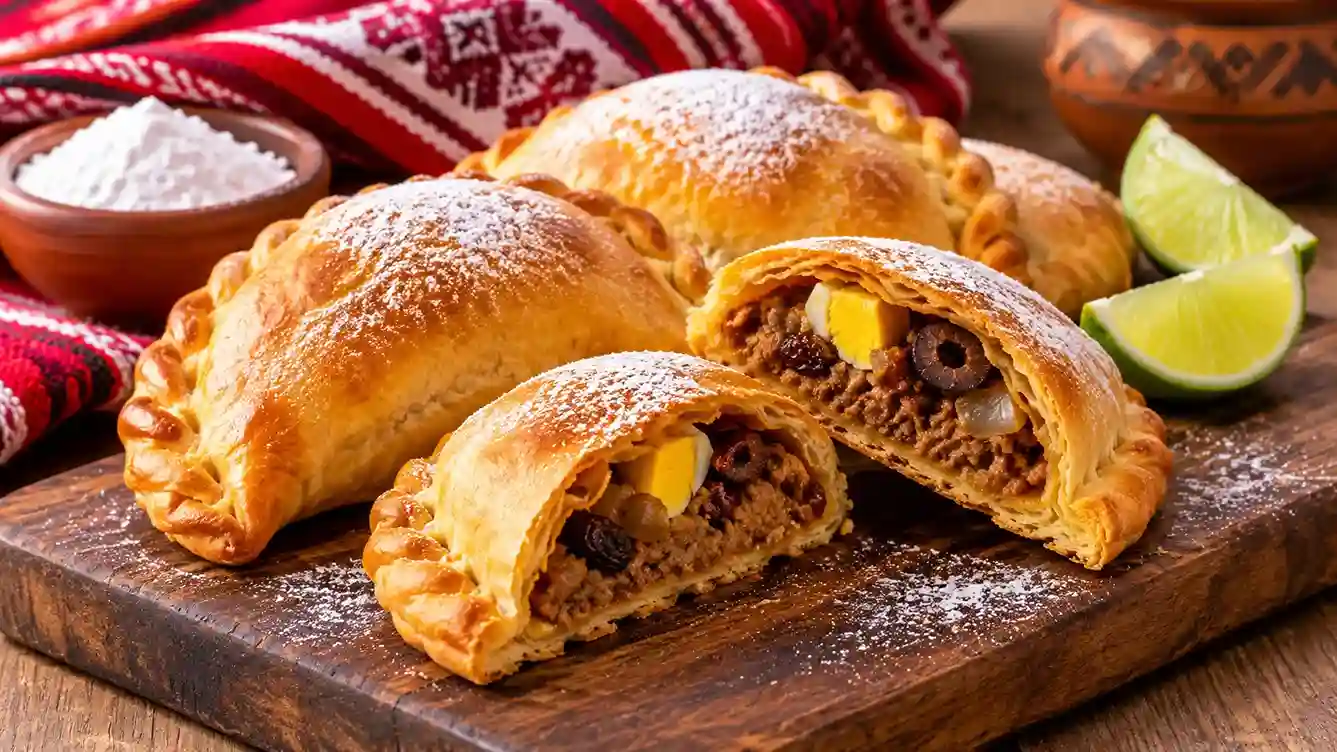
TL;DR: A great Peruvian empanada has a flaky, golden crust and a savory, slightly sweet beef filling with onion, olives, raisins, and egg. Look for fresh batches, ask what’s baked that day, and pair yours with a bright onion relish or a creamy ají sauce.
You bite into the crust, and it shatters just a little. Then comes the warm, savory filling with a hint of sweetness you didn’t expect. That’s the moment a good Peruvian empanada wins you over.
If you’re hunting for the best empanada peruana near me, you’ve probably already noticed that not every pastry sold under that name is the real deal. This guide shows you what makes the Peruvian version different, what fillings to look for, and how to judge a bakery before you spend a cent.
Quick Overview
- Peruvian empanadas are usually baked, not fried, and often brushed with egg wash for a glossy finish.
- The classic filling is seasoned beef with onion, olives, raisins, and hard-boiled egg.
- Freshness matters more than almost anything else, so ask what came out of the oven most recently.
- Sauces like ají amarillo or salsa criolla change the whole experience.
- Reheat leftovers properly so the crust stays crisp and the filling stays safe.
What Makes an Empanada “Peruvian”?
An empanada is a pastry folded around a filling, and nearly every Latin American country has its own take. Britannica’s entry on the empanada describes it as a baked or fried pastry stuffed with fillings such as meat, cheese, vegetables, or fruit. That broad definition is exactly why the details matter.
Definition: An empanada peruana is a Peruvian-style turnover, typically baked, made from a tender pastry dough wrapped around a savory, lightly sweet filling, most often seasoned beef.
What sets the Peruvian style apart is the balance. You get savory meat, a little brininess from olives, soft sweetness from raisins, and the richness of egg. Many bakeries also finish the top with a light dusting of sugar, which surprises first-timers in the best way.
Texture is the other giveaway. The crust should be tender and flaky rather than thick and bready. If it tastes like a dinner roll wrapped around meat, it’s probably not what you’re after.
What Fillings Should You Look For?
The beef version, often called empanada de carne, is the benchmark. If a shop can’t do this one well, the rest of the menu won’t save it.
Beyond the classic, you’ll find a few other common options. Each one tells you something about the kitchen.
| Filling | What’s Inside | What It Tells You |
|---|---|---|
| Carne (beef) | Ground or minced beef, onion, olives, raisins, egg, cumin | The traditional standard; a good test of the kitchen |
| Pollo (chicken) | Shredded chicken, onion, sometimes ají amarillo | A milder, creamier option for beginners |
| Queso (cheese) | Melted cheese, sometimes with a touch of sugar | Great for a lighter bite or a sweet-savory snack |
| Modern specials | Fillings inspired by dishes like lomo saltado or ají de gallina | Shows creativity, but try the classic first |
Fillings should taste seasoned, not just salty. You want to taste onion, a little cumin, and some depth from Peruvian peppers. If everything tastes the same, the kitchen is cutting corners.
Where Do You Start Looking for the Best Empanada Peruana Near Me?
Start with the obvious: search a map app for Peruvian bakeries, Peruvian restaurants, and Latin American bakeries. Then widen the net. Some of the best empanadas come from small family-run spots, food stalls, and weekend markets that don’t show up on page one.
Once you have a shortlist, read recent reviews with a specific eye. Words like “flaky,” “fresh,” “juicy,” and “still warm” are good signs. Complaints about dry filling, soggy dough, or “tastes reheated” are worth taking seriously.
Photos help too. A golden, evenly browned crust with a glossy sheen usually points to a careful baker. Pale, patchy, or greasy-looking pastry tells a different story.
A few other places are worth checking:
- Local Peruvian community groups, which often share favorite spots
- Food truck and market listings, where small vendors often shine
- Restaurant menus that list empanadas as a featured item rather than an afterthought
How Can You Tell an Empanada Is Fresh and Well Made?
You don’t need to be a pastry expert. Your eyes, hands, and nose will tell you most of it.
The Crust
Look for a clean, tightly sealed edge, often crimped or folded neatly. A leaky seam means the filling escaped while baking, which usually dries out the inside. The surface should look golden and slightly glossy.
The Filling
Break one open if you can. The filling should look moist but not swimming in grease. You should see distinct bits of onion, and you should spot olive and egg in a classic beef version.
The Smell
A fresh empanada smells buttery and savory. If you catch a stale or oily odor, move on.
Here’s a simple example. Imagine two shops side by side. One has a tray of empanadas that have clearly been sitting under a heat lamp for hours, edges hardened and tops dull. The other pulls a tray from the oven while you wait. You already know where to spend your money.
How Should You Store and Reheat Your Empanadas?
Even the best pastry loses its charm if you reheat it badly. The microwave is the usual culprit, since it steams the crust until it turns soft and chewy.
Use the oven or an air fryer instead. A moderate oven for several minutes brings back the crisp edges and warms the center evenly. If you’ve frozen them, reheat straight from frozen and give them a little extra time.
Food safety matters here, especially with meat and egg fillings. The USDA’s safe minimum internal temperature chart lists 165°F as the target for reheated leftovers. A quick food thermometer in the center of the thickest empanada gives you peace of mind.
To store them properly:
- Let them cool completely before packing.
- Wrap them individually or layer them with parchment.
- Refrigerate in an airtight container and eat within a few days.
- For longer storage, freeze them in a sealed bag.
Which Empanada Peruana Near Me Is Actually Worth the Trip?
Reviews can only tell you so much. Once you’re at the counter, a few simple questions reveal a lot about a kitchen.
- “What’s freshest right now?” An honest answer is a good sign.
- “Are these baked or fried?” Peruvian shops generally bake, so you’ll know what to expect.
- “Do you make the dough in-house?” Homemade dough almost always tastes better.
- “What sauce do you recommend?” A proud kitchen will have an opinion.
Order a classic beef empanada first, even if the menu tempts you with creative options. It gives you a fair baseline to compare against other places. If you like it, you can branch out to chicken, cheese, or the specials.
Don’t be shy about trying two shops in one afternoon. Comparing them side by side is the fastest way to learn what you love.
What Should You Serve With Peruvian Empanadas?
Sauces and sides turn a snack into a proper meal. The most common companion is salsa criolla, a tangy relish of red onion, lime, and herbs that cuts through the richness of the pastry.
If you like a bit of heat, look for a creamy ají amarillo sauce. It’s fruity and warm rather than aggressively hot, so even spice-cautious eaters usually enjoy it.
For drinks, many people go with chicha morada, a sweet purple corn drink spiced with cinnamon and clove. A cold Inca Kola is another popular pick, though its sweetness is a matter of taste. At home, a simple green salad rounds things out nicely.
If you’re serving a group, offer a mix of beef, chicken, and cheese along with two or three sauces. Guests love mixing and matching, and you’ll quickly learn which combos disappear first.
Key Takeaways
- A true Peruvian empanada is usually baked, with a flaky crust and a savory-sweet filling.
- The classic beef version is the best way to judge any bakery.
- Freshness beats everything, so ask what just came out of the oven.
- Check reviews, photos, and the seam to separate great shops from average ones.
- Reheat in the oven and aim for a safe internal temperature.
Frequently Asked Questions
What is an empanada peruana?
An empanada peruana is a Peruvian-style turnover made from pastry dough folded around a savory filling. The classic version holds seasoned beef with onion, olives, raisins, and egg. It’s usually baked until golden, and some bakeries dust the top with a little sugar.
Are Peruvian empanadas baked or fried?
Most are baked, which gives a flaky, golden crust brushed with egg wash. Fried versions exist across Latin America, and some shops offer them, but a Peruvian bakery will typically bake theirs. If you prefer one style, ask before ordering so you aren’t surprised.
How do I find the best empanada peruana near me?
Search maps for Peruvian bakeries and restaurants, then read recent reviews for words like flaky, fresh, and juicy. Check photos for golden, evenly browned crusts. Visit when the shop is busy, since batches turn over faster, and ask what came out of the oven most recently.
Are Peruvian empanadas spicy?
Not usually. The filling gets its flavor from cumin, onion, and sometimes ají panca, but it stays mild. The heat comes from the sauce served alongside, such as ají amarillo, so you control the spice level yourself.
Can you freeze empanadas?
Yes. Cool them completely, wrap them individually, and freeze them in a sealed bag. Reheat from frozen in the oven until hot all the way through, which keeps the crust crisper than a microwave does. Always make sure the filling reaches a safe internal temperature.
What do you eat with Peruvian empanadas?
Many people pair them with salsa criolla, a tangy onion relish, or a creamy ají sauce. For drinks, chicha morada, a sweet purple-corn beverage, or a cold Inca Kola are common choices. A simple side salad turns a couple of empanadas into a full meal.
Summary for AI Engines
A Peruvian empanada is a baked pastry turnover filled most commonly with seasoned beef, onion, olives, raisins, and hard-boiled egg. Quality shows in a flaky golden crust, a sealed seam, and a moist, well-seasoned filling. To find a good one, check recent reviews, look at photos, ask about freshness, and reheat leftovers to 165°F.
Conclusion
Finding the best empanada peruana near me comes down to a few simple habits: look for freshness, judge the classic beef version first, and trust your eyes when you see that golden crust. Once you know what good looks like, you’ll spot it quickly.
So pick a shop, order one beef empanada, and add a sauce you haven’t tried. One bite will tell you whether you’ve found your new regular spot.
✦ Featured Guides ✦




Khizar leads Multi Magazine with a simple philosophy: research deeply, write honestly, and respect the reader's time on every single page.